
Aadhaar Enrolment Process: Complete Guide to Register for Aadhaar

Aadhaar Enrolment Process: Complete Guide to Register for Aadhaar
Aadhaar Enrolment: Complete Guide to Registration Process
Aadhaar Enrolment is the first and most important step to obtain an Aadhaar number, which serves as a unique identity for residents of India. Issued by the Unique Identification Authority of India (UIDAI), Aadhaar is widely used for identity verification, government schemes, banking services, mobile connections, and many digital platforms. Aadhaar enrolment is completely free and available to all eligible residents, including children and adults.
What is Aadhaar Enrolment?
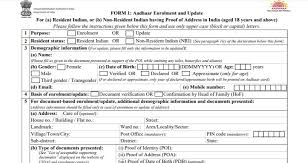
Aadhaar Enrolment is the process through which an individual registers their demographic and biometric information with UIDAI to receive a 12-digit Aadhaar number. During enrolment, personal details such as name, date of birth, address, gender, and mobile number are collected. Along with this, biometric data including fingerprints, iris scans, and a photograph are captured to ensure uniqueness and prevent duplication.
Once the enrolment process is completed, UIDAI verifies the information and issues an Aadhaar number to the applicant.
Who Can Apply for Aadhaar Enrolment?
Any resident of India, including infants and senior citizens, is eligible for Aadhaar enrolment. There is no age restriction. Even newborn babies can be enrolled, though their biometric details are updated later when they reach the age of 5 and again at 15.
Non-resident Indians (NRIs) and foreign nationals living in India for the prescribed period may also be eligible under UIDAI guidelines.
Documents Required for Aadhaar Enrolment
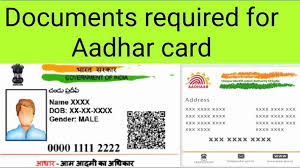
To complete Aadhaar enrolment, applicants must provide valid documents. These documents are categorized into three types:
- Proof of Identity (PoI)
Examples include Passport, PAN Card, Voter ID, Driving License, or government-issued photo ID. - Proof of Address (PoA)
Documents such as Passport, Utility Bills, Bank Statements, Ration Card, or Rent Agreement can be used. - Proof of Date of Birth (DoB)
Birth Certificate, Passport, or School Certificate is accepted.
If an applicant does not have valid documents, enrolment can still be done through the Introducer System or Head of Family (HoF) method, where an authorized person verifies the identity.
Aadhaar Enrolment Process Step-by-Step
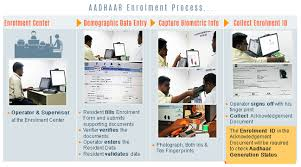
The Aadhaar enrolment process is simple and user-friendly. Below are the key steps:
- Locate an Aadhaar Enrolment Centre
Visit the nearest UIDAI-authorized Aadhaar Enrolment Centre. These centres are available in government offices, banks, post offices, and selected private locations. - Book an Appointment (Optional)
Applicants can book an online appointment to avoid long waiting times, though walk-in enrolment is also allowed at many centres. - Form Filling and Document Verification
At the centre, the operator fills in the enrolment form based on the documents provided. Applicants must verify the details carefully before submission. - Biometric Data Capture
Fingerprints, iris scans, and a photograph are taken digitally. This data is securely encrypted and sent to UIDAI servers. - Acknowledgement Slip (EID)
After successful enrolment, an acknowledgement slip is issued. This slip contains the Enrolment ID (EID), which is used to track Aadhaar status.
Aadhaar Enrolment for Children (Baal Aadhaar)
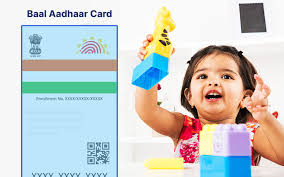
Children below 5 years of age can be enrolled under Baal Aadhaar. In this case, biometric data is not collected. Only the child’s photograph and demographic details are recorded, along with the Aadhaar number of one parent or guardian.
When the child turns 5 years old, biometric details must be updated. A second mandatory update is required at the age of 15.
How Long Does Aadhaar Enrolment Take?
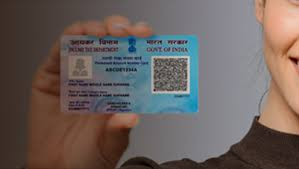
After completing the enrolment process, Aadhaar is usually generated within 7 to 90 days, depending on verification and data validation. Applicants can check their Aadhaar enrolment status online using the EID mentioned on the acknowledgement slip.
Once generated, Aadhaar can be downloaded online as e-Aadhaar, which is legally valid and can be used like a physical card.
Important Points to Remember

- Aadhaar enrolment is free of cost
- Providing a mobile number is recommended for OTP-based services
- Ensure documents are original and valid
- Verify all details before biometric capture
- Keep the acknowledgement slip safe
Benefits of Aadhaar Enrolment
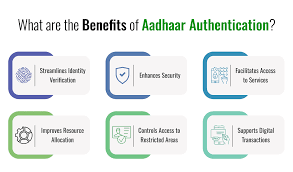
Aadhaar enrolment offers multiple benefits, including easy access to government subsidies, direct benefit transfers (DBT), digital identity verification, and simplified KYC processes for banks and telecom services. It also helps reduce identity fraud and ensures transparency in welfare programs.
Conclusion
Aadhaar Enrolment is a simple yet powerful process that provides residents with a unique digital identity. By enrolling for Aadhaar, individuals gain access to a wide range of essential services and benefits. Whether you are enrolling for the first time or enrolling your child, following the correct procedure and submitting accurate information ensures a smooth and hassle-free experience. Aadhaar continues to play a crucial role in India’s digital transformation, making enrolment an important step for every eligible resident.